February 19, 2026 by: Rev. Mac
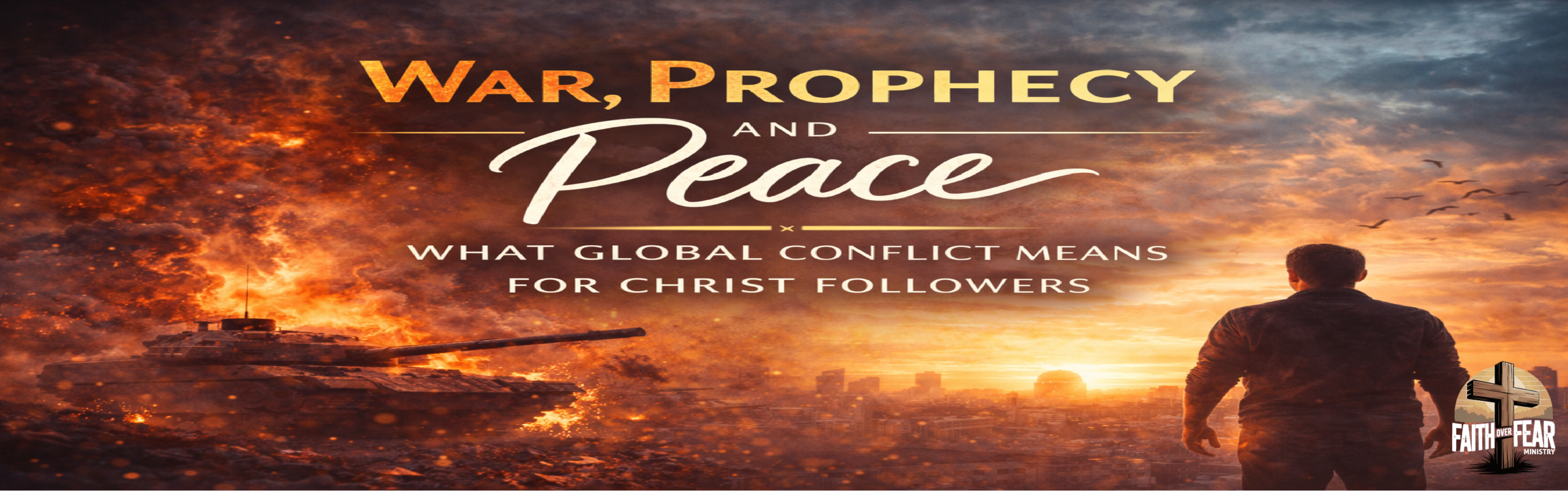
Every generation believes it may be living in the most consequential moment in history. When tensions rise in the Middle East—particularly involving Israel, Iran, and global powers—the weight feels heavier. For Christ followers, such conflicts do more than fill headlines; they stir questions about prophecy, end times, and the sovereignty of God.
What does escalating global conflict mean for believers?
How should Christians interpret such events through Scripture?
And most importantly—how should they respond?
The Reality of War in a Fallen World
War is not new to humanity, nor is it unexpected within the biblical narrative. Scripture does not present global instability as an anomaly but as a symptom of a fallen world.
Jesus warned His disciples plainly:
“And you will hear of wars and threats of wars, but don’t panic. Yes, these things must take place, but the end won’t follow immediately.”
(Matthew 24:6, NLT)
The instruction is clear: do not panic.
Conflict may escalate. Alliances may shift. Nations may posture and respond. But Jesus cautioned against assuming every war signals immediate finality. Turbulence does not equal timetable.
Israel and the Broader Prophetic Landscape
Israel occupies a unique role in biblical history and prophecy. God’s covenant with Abraham remains foundational to redemptive history (Genesis 12:1–3). Throughout Scripture, Israel stands at the center of both judgment and restoration.
Prophetic books such as Ezekiel, Daniel, and Zechariah describe coalitions of nations, regional hostilities, and escalating tensions in the last days. For example:
“I will gather all the nations to fight against Jerusalem…”
(Zechariah 14:2, NLT)
Ezekiel 38–39 describes a northern confederation rising against Israel, language many interpreters connect to end-times scenarios.
However, Scripture calls believers to humility in interpretation. While parallels may appear compelling, responsible theology avoids rigid predictions or confident declarations about current events fulfilling specific prophecies. The Bible warns against speculation that produces fear rather than faith.
Jesus Himself said:
“However, no one knows the day or hour when these things will happen…”
(Matthew 24:36, NLT)
Christ followers are called to discernment—not sensationalism.
What Conflict Implicates for Believers
When nations clash, three realities emerge for Christians:
- The reminder of humanity’s fragility.
- The exposure of misplaced trust in political systems.
- The urgency of spiritual readiness.
Psalm 20:7 offers perspective:
“Some nations boast of their chariots and horses, but we boast in the name of the Lord our God.”
(NLT)
Military coalitions and strategic power shifts may dominate news cycles, but believers anchor their confidence elsewhere.
War reminds Christians that earthly stability is temporary. Kingdoms rise and fall. Governments shift. But Scripture affirms:
“The Lord has made the heavens his throne; from there he rules over everything.”
(Psalm 103:19, NLT)
God’s sovereignty is not shaken by geopolitics.
End Times: Fear or Faithfulness?
It is natural to wonder whether escalating Middle Eastern conflict signals the nearing of Christ’s return. Scripture describes increasing turmoil as part of the “birth pains” of the last days (Matthew 24:8).
But birth pains are not meant to terrify—they are meant to prepare.
The Apostle Paul writes:
“For you know quite well that the day of the Lord’s return will come unexpectedly… So be on your guard, not asleep like the others. Stay alert and be clearheaded.”
(1 Thessalonians 5:2, 6, NLT)
End-times teaching is not designed to produce anxiety. It is meant to inspire readiness, holiness, and perseverance.
Christians are not called to decode headlines. They are called to remain faithful.
Seeking Strength in Uncertain Times
When conflict intensifies and fear spreads, Scripture directs believers toward stability.
“God is our refuge and strength, always ready to help in times of trouble. So we will not fear…”
(Psalm 46:1–2, NLT)
Notice the progression: refuge first, then strength, then fearlessness.
Strength is found not in controlling outcomes, but in trusting the One who governs history.
Isaiah 41:10 reinforces this promise:
“Don’t be afraid, for I am with you. Don’t be discouraged, for I am your God. I will strengthen you and help you.”
(NLT)
In moments of geopolitical uncertainty, Christians are invited to:
- Pray for peace (Psalm 122:6).
- Intercede for leaders (1 Timothy 2:1–2).
- Guard their minds against panic (Philippians 4:6–7).
- Remain steadfast in hope (Romans 15:13).
Peace is not dependent on political outcomes—it is anchored in Christ.
Living With Eternal Perspective
War reminds believers that this world is not ultimate.
“But we are citizens of heaven, where the Lord Jesus Christ lives.”
(Philippians 3:20, NLT)
This does not produce disengagement. It produces clarity.
Christ followers live responsibly in the present while hoping confidently in the future. They grieve loss, pray for protection, and advocate for peace—but they do not surrender to despair.
Because even in turbulent times, Scripture promises:
“He will be the sure foundation for your times, a rich store of salvation and wisdom and knowledge.”
(Isaiah 33:6, NLT)
The Final Word
Conflicts may escalate. Alliances may shift. Nations may posture.
But Christ remains King.
When headlines intensify, believers return to prayer. When fear rises, they anchor in Scripture. When uncertainty grows, they cling to hope.
History is not spiraling out of control. It is moving toward fulfillment.
And until that fulfillment comes, Christ followers are called to stand—not in panic, but in peace.