March 8, 2026 by: Rev. Mac
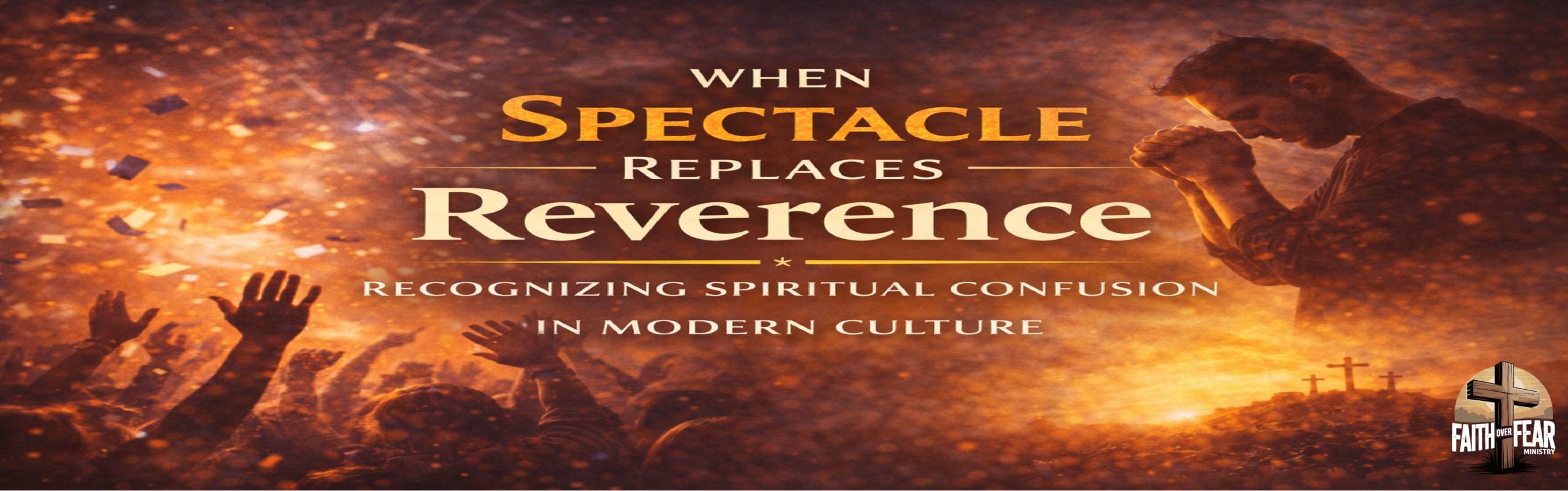
In recent years, large global events have become more than celebrations of sport, technology, or culture. They have become spectacles.
Opening ceremonies, artistic performances, and highly choreographed presentations now reach billions of viewers across the world. They are designed to be visually striking, symbolic, and emotionally powerful. Lights, costumes, and dramatic storytelling combine to create moments meant to capture the imagination of a global audience.
Yet many people watching these events have begun to feel a sense of unease.
Certain imagery appears darker than celebratory. Symbols appear layered with meaning that many viewers do not fully understand. Dramatic performances sometimes portray themes of sacrifice, mythological figures, or spiritual imagery that feel unsettling to those who hold strong faith convictions.
For some observers, these moments raise deeper questions about the direction of modern culture.
The Power of Symbolism
Throughout history, symbols have carried immense power.
Civilizations have long used art, ceremony, and ritual to communicate beliefs about the world, humanity, and the spiritual realm. Ancient cultures built temples, conducted festivals, and performed symbolic acts meant to honor their gods or represent their understanding of reality.
Modern societies may believe they have moved beyond such traditions, yet symbolism still plays a central role in public life. National ceremonies, artistic performances, and global events are often filled with imagery that communicates ideas about identity, power, and belief.
Most viewers absorb these messages without much reflection.
But when symbolism touches on themes of sacrifice, mythology, or spiritual forces, it can leave thoughtful observers wondering what messages are truly being communicated.
A Culture Searching for Meaning
One reason such imagery appears frequently in modern entertainment is that humanity is constantly searching for meaning.
Even in highly technological societies, people still ask ancient questions:
Why are we here?
What gives life purpose?
What forces shape the world we live in?
Art and performance often explore these questions through dramatic storytelling and symbolism. Yet without a clear moral or spiritual anchor, those explorations can drift into confusing territory.
What once pointed people toward truth can instead become ambiguous or even unsettling.
This confusion reflects a deeper cultural reality. Many societies have gradually moved away from shared spiritual foundations. As those foundations weaken, people attempt to fill the void with new narratives and new symbols.
But substitutes for truth rarely satisfy the deeper longings of the human heart.
The Importance of Discernment
For Christians, moments like these serve as reminders of the importance of spiritual discernment.
Discernment does not mean reacting with fear or hostility toward culture. Instead, it means observing carefully, thinking critically, and measuring what we see against the truth found in God’s Word.
The Apostle Paul encouraged believers to remain aware of the spiritual dimensions of life. He reminded them that the struggles humanity faces are not always merely physical or social. Often there are deeper spiritual realities at work.
That awareness calls believers not to panic, but to vigilance.
Rather than absorbing every cultural message uncritically, followers of Christ are invited to ask deeper questions:
Does this reflect truth?
Does this honor what is good and life-giving?
Does this point people toward hope or toward confusion?
Discernment allows believers to navigate culture without being shaped by every trend.
The Light That Clarifies Everything
In a world filled with competing symbols and shifting narratives, Christians believe that truth ultimately centers on one person: Jesus Christ.
Jesus did not simply offer moral advice or philosophical ideas. He made a profound claim about His identity and purpose. In the Gospel of John, He said:
“I am the way, the truth, and the life.”
This statement places Christ at the center of the search for meaning.
When a person builds their life around Jesus, the confusion of the surrounding culture begins to lose its power. Faith provides a foundation that does not shift with trends or popular opinion.
Instead of searching endlessly for meaning in spectacle or symbolism, believers discover purpose in a relationship with the One who created them.
Responding With Faith, Not Fear
It can be tempting to respond to troubling cultural moments with anxiety or anger. But the Christian response is meant to look different.
The call of Christ is not merely to criticize the world, but to shine light within it.
Faith transforms how believers live. It replaces fear with trust. It replaces confusion with clarity. It replaces self-centered living with a life devoted to serving others.
When someone develops a genuine relationship with Christ, their priorities begin to change. Compassion grows. Integrity strengthens. The desire to serve others becomes stronger than the desire to chase status or influence.
In this way, believers become living examples of a different path.
A Moment to Turn Toward Truth
If the confusion of modern culture has ever left you wondering where to find something steady, you are not alone.
Many people feel the tension of living in a world filled with noise, symbolism, and competing ideas about what life means.
The invitation of the Gospel is simple: turn toward the source of truth.
Jesus invites every person into a relationship with Him. Not merely a belief system, but a living faith that grows through prayer, reflection, and trust.
Through that relationship, hearts find clarity. Purpose becomes stronger. Life begins to move beyond personal ambition toward something far greater.
A life of faith.
A life of service.
A life anchored in truth.
A Prayer for Wisdom and Faith
If you feel drawn to seek God more deeply, you might begin with a prayer like this:
Lord Jesus,
The world around me is often confusing.
There are so many messages, symbols, and voices competing for attention.
I ask You to guide my heart toward truth.
Help me grow in discernment so I can see clearly.
Teach me to trust You more than the shifting ideas of culture.
Forgive me for the ways I have lived without seeking You.
Fill my life with Your presence and strengthen my faith.
Lead me into a life that honors You and serves others.
Amen.
Living With Purpose
The Christian life is not defined by fear of darkness, but by devotion to light.
When a person walks with Christ, they discover that truth is not something fragile that must constantly be defended. It is something powerful that transforms the heart.
And through that transformation, believers begin to live with a greater purpose.
A purpose rooted in faith.
A purpose expressed through love.
A purpose lived out in service to God and to others.