
November 13, 2026 by: Rev. Mac
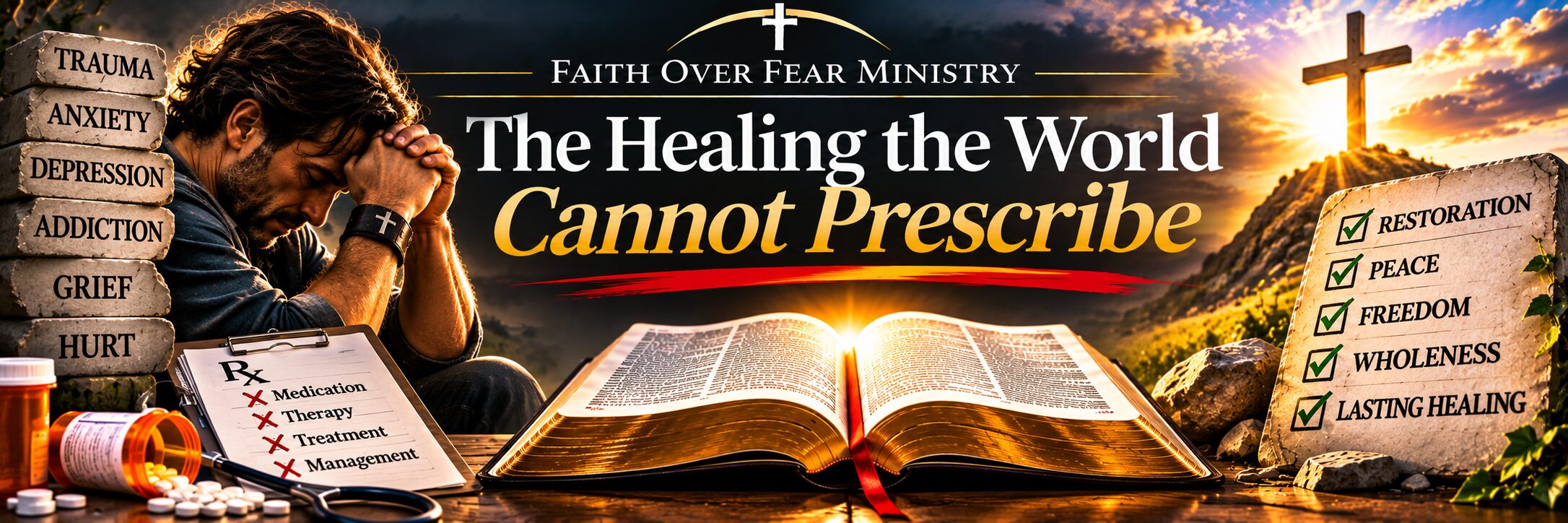
When trauma, fear, and suffering meet the transforming power of Jesus Christ
FAITH OVER FEAR MINISTRY | FEATURE EDITORIAL
A World Searching for Healing
A soldier may return from combat while the battlefield remains in his memories. A firefighter may finish a shift yet carry the image of a life they could not save. A survivor of domestic violence may reach physical safety but still experience fear. These wounds are real, and evidence-based care can be lifesaving. But trauma can also raise questions about guilt, identity, purpose, and the presence of God. Have we become so focused on symptoms that we sometimes overlook the spiritual needs of the person carrying them?
Medicine and Faith Need Not Compete
Trauma-focused psychotherapy and, when appropriate, medication can help people recover from PTSD and related symptoms. Treatment should be guided by qualified clinicians. Faith is not a substitute for medical care, and ongoing symptoms do not prove insufficient belief. At the same time, prayer, Christian fellowship, Scripture, and spiritual guidance may offer meaning and hope alongside clinical treatment. A person can trust God and see a therapist, pray and take prescribed medication.
Elijah: Rest Before Renewal
In 1 Kings 19, Elijah flees in fear and reaches a point of profound despair. God’s response includes food, water, sleep, reassurance, and renewed direction. Scripture does not give Elijah a modern diagnosis, but it does portray God attending to both bodily needs and spiritual distress. Compassion sometimes begins with recognizing exhaustion rather than demanding an immediate display of strength.
David and Peter: Lament and Restoration
The Psalms reveal David’s grief, fear, remorse, and longing for God (Psalms 34, 42, and 51). Biblical faith does not require pretending that pain has vanished. Peter’s bitter tears after denying Jesus (Luke 22:54–62) are followed by Christ’s restoration and commission (John 21:15–19). His failure remained part of his story, but it did not become its final chapter. These accounts speak powerfully to shame and guilt without reducing complex trauma to a simple spiritual formula.
Compassion and the Limits of Easy Promises
Jesus’ compassion toward the woman who suffered for twelve years (Mark 5:25–34) reveals His care for a person who had endured prolonged illness. Yet this physical healing narrative is not a guarantee that every psychiatric condition will disappear through prayer. Paul repeatedly sought relief from his ‘thorn’ and instead received sustaining grace (2 Corinthians 12:7–10). Continued suffering is not proof that God has abandoned someone.
Veterans, Responders, and Survivors
A veteran may need help with intrusive memories and moral injury. A first responder may need support in processing a tragic outcome they could not control. A domestic violence survivor may need safety planning, counseling, and legal protection. Spiritual care can help with hope, dignity, forgiveness, and purpose, but it must never be used to discourage treatment, excuse abuse, or pressure a survivor to return to danger.
What Surrender Means
Jesus invites the weary to come to Him (Matthew 11:28–30); Peter encourages believers to entrust anxieties to God (1 Peter 5:7). Surrender does not mean denying symptoms or stopping medication. It can mean bringing fear, grief, and guilt into an honest relationship with Christ while continuing the difficult work of recovery. Spiritual renewal may coexist with symptoms that take time to improve.
Your Wounds Do Not Have the Final Word
Your suffering is real, and seeking help is not a failure of faith. Your diagnosis may explain what you experience, but it does not determine your worth before God. Your trauma may be part of your history without becoming your entire identity. We need not reject medicine to believe in God’s healing power, and we need not deny pain to recognize Christ’s presence. The question is not whether we must choose between medicine and faith, but whether we will welcome every appropriate source of care, including the hope and grace offered through Jesus Christ.
Faith Over Fear Ministry | Rooted in Scripture. Centered on Christ. Committed to Truth.