Every year, Easter arrives wrapped in pastel colors, candy, baskets, and familiar traditions. For many, it has become a seasonal celebration of springtime comfort and family routine.
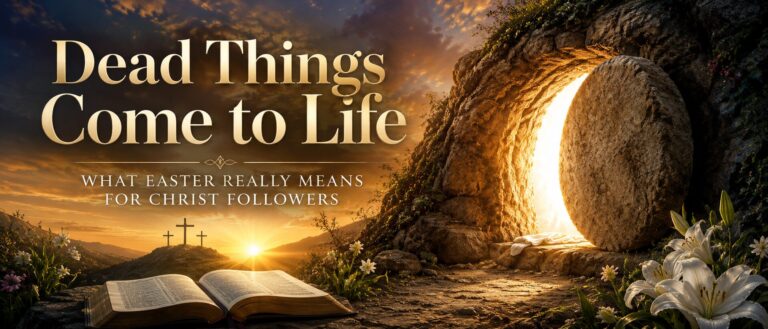
But for Christ followers, Easter is not about bunnies and sugar.
It is about a tomb that could not stay occupied.
It is about the day death lost its authority.
It is about the risen Savior who still calls dead things back to life.
And that is not only good news for history. It is good news for you.
Because Easter is not merely the celebration of what happened to Jesus. It is the declaration of what is still possible through Him.
There is a question buried deep beneath the noise of everyday life, and it is not one most people stop long enough to answer:
Where are you in relation to God’s presence?
Not geographically.
Not physically.
Spiritually.
In the long arc of technological progress, convenience has often arrived wrapped in promises of security. Each generation is told the same reassuring narrative: the next system will make life easier, safer, and more efficient. Yet occasionally a policy appears that causes people to pause and ask a deeper question.
Not simply “Is this convenient?” but “What kind of world are we building?”
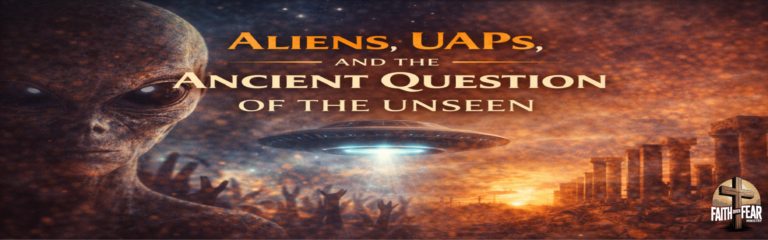
In recent years, the subject of unidentified aerial phenomena, often called UAPs or UFOs, has moved from the fringes of conversation into the mainstream.
Government briefings, news coverage, and documentaries have brought renewed attention to unexplained sightings in the sky. Stories of mysterious lights, unusual craft, and alleged encounters with non-human entities circulate widely across media platforms.
For some observers, the explanation seems obvious: humanity may not be alone in the universe.
But for others, the question is more complex.
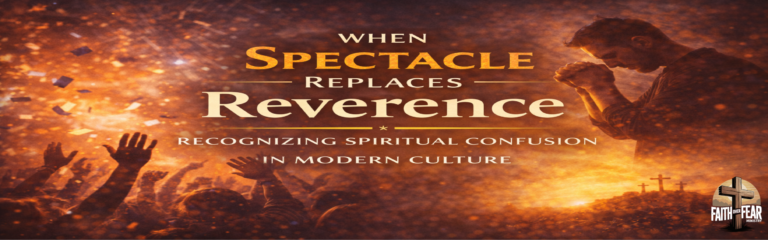
In recent years, large global events have become more than celebrations of sport, technology, or culture. They have become spectacles.
Opening ceremonies, artistic performances, and highly choreographed presentations now reach billions of viewers across the world. They are designed to be visually striking, symbolic, and emotionally powerful. Lights, costumes, and dramatic storytelling combine to create moments meant to capture the imagination of a global audience.
Yet many people watching these events have begun to feel a sense of unease.
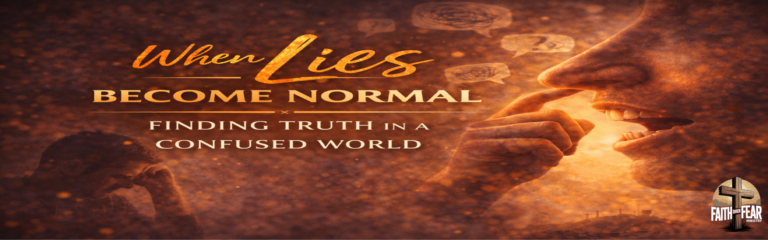
There was a time when deception tried to stay hidden.
Lies needed shadows. They depended on subtlety. If something false appeared, it usually arrived disguised, hoping people would not look too closely.
Today, the strategy often looks different.
In many places, deception no longer hides. It appears boldly in public conversation, repeated so frequently that it begins to feel ordinary. Ideas that once raised concern are now presented as progress. Behaviors that once troubled the conscience are reframed as harmless or even celebrated.
The change rarely happens all at once. It unfolds gradually, one small shift at a time.
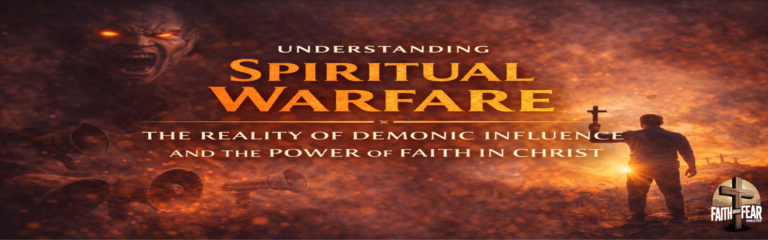
Most people recognize that the world contains visible struggles: conflict, suffering, injustice, and personal hardship. Yet the Bible teaches that behind many of the battles humanity experiences lies a deeper, unseen conflict.
Scripture describes a spiritual war that has been unfolding since the fall of Satan and the rebellion of angels who followed him. This conflict is not fought with weapons of steel or political power, but in the unseen realm of spiritual influence.
The Apostle Paul wrote in Ephesians 6:12:
When Lies Become Loud Enough to Sound Like Truth February 25, 2026 by: Rev. Mac There was a time when deception tried to hide. Lies preferred shadows. They…
There is a particular kind of exhaustion that does not come from physical labor. It comes from thinking about money.
It slips in quietly.
At first, it feels responsible. You begin calculating. Adjusting. Tightening. Every purchase becomes a small internal negotiation. Every decision is filtered through one question: Can we afford it?